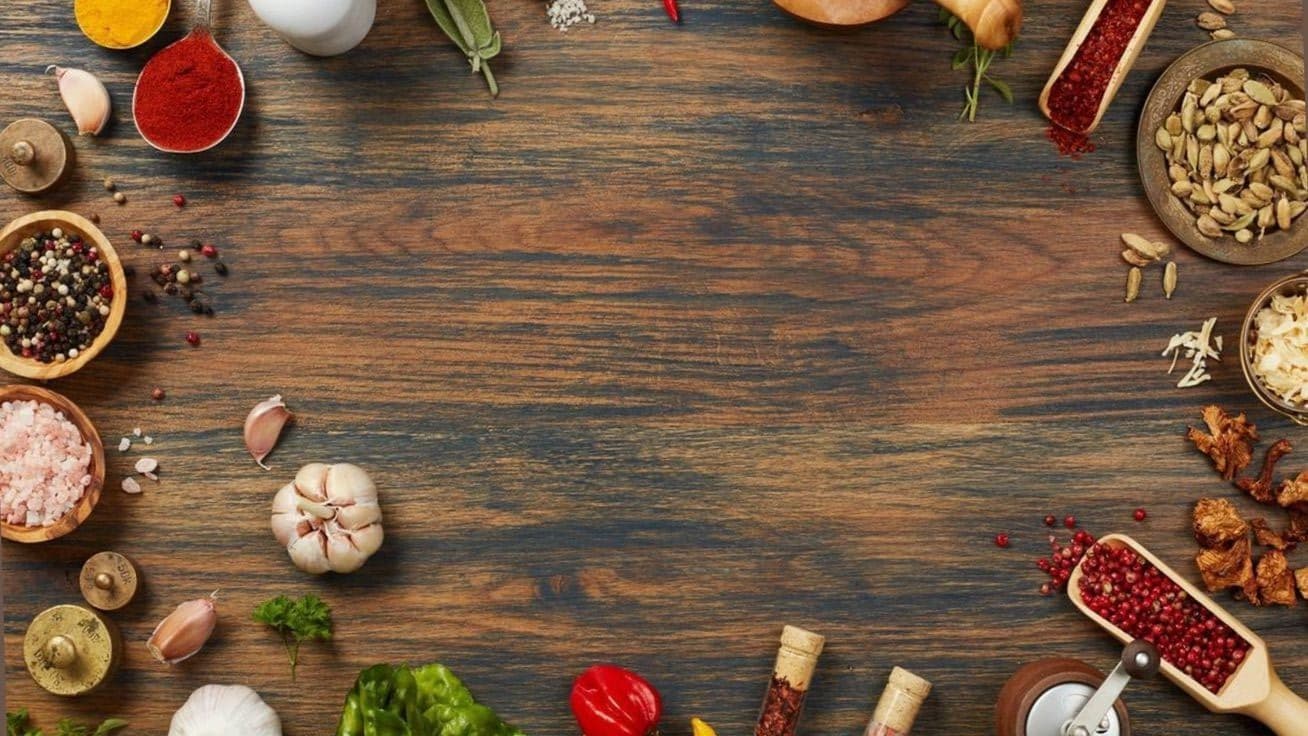

Walk through Makola Market in Accra or Oyingbo Market in Lagos and your nose tells the story of West African cuisine long before your eyes do. The aromas are not just savoury. They are pungent, fermented, smoky, and deeply layered—from dawadawa (fermented locust bean) and smoked crayfish to Scotch bonnet peppers and dried herbs.For decades, the industrial bouillon market ignored this complexity. The standard cube was essentially a salt delivery system: high sodium, some MSG, and a faint suggestion of “chicken” or “beef.” It worked because it was affordable, shelf-stable, and convenient. That era is ending.
Today’s West African consumer is more informed and more demanding. People read labels. They question sodium levels. They compare industrial seasoning to the flavours they grew up with.For manufacturers, distributors, and R&D teams, success is no longer about volume alone. It is about flavour authenticity, nutritional balance, and trust; from the factory floor to the consumer pot. The global bouillon market is projected to reach USD 11.86 billion by 2030, growing at a 4.5% CAGR, driven largely by reformulation, health awareness, and regional flavour adaptation.
Taste remains king in West Africa. Many global bouillon products fail because they do not align with local expectations, i.e Nigeria flavours are bold fermented umami and heat, Senegal values acidity, herbs, and clean fish stock flavours, Ghana leans to aromatic and spiced. Treating West Africa as a single flavour market is a costly mistake.
Consumers want authentic, plant-based, and less processed seasonings. They want to see locust bean, crayfish, or ginger on the label—not flavour codes. Winning manufacturers are industrialising tradition through safer, standardized flavour systems.
Powders, pastes, liquid concentrates, and single-serve sachets are making seasoning easier to use while improving consistency and reducing waste.
Reformulating without taste testing, ignoring local preferences, and copying global recipes often lead to product failure. Local sensory testing is essential.
Flavour design now matters more than sodium reduction alone. Local culinary understanding is a competitive advantage.
The West African bouillon market is evolving rapidly. Brands that balance health, authenticity, and smart flavour design will lead the next generation of seasoning innovation.
Looking to upgrade your seasoning portfolio for the West African market?We help food manufacturers and distributors develop flavour systems that deliver authenticity, performance, and better nutrition.
Contact us today to gain a competitive edge.
.edfc1c48.png&w=256&q=75)
We are Africa's leading indigenous producer and distributor of spice, flavours, and ingredient. We proudly serve thousands of customers across retail & food processing.
33 Mobolaji Johnson Road, Alausa, Ikeja, Lagos, Nigeria.
+234-707-689-2755
Customerservice.nga@freddyhirsch.com
Copyright © 2026 | FREDDY HIRSCH NIGERIA. All rights reserved.